Complete Toxic Plant Guide for Dogs

Identify dangerous plants, recognize symptoms, and act fast in an emergency.

0 plants found

Sago Palm

Cycas revoluta
HIGH RISK
Sago Palm
Symptoms: Vomiting, diarrhea, liver failure, bruising, death
Action Required: EMERGENCY - Vet immediately. Can be fatal within days.

Plant Type: Tree

Lilies

Lilium species
HIGH RISK
Lilies
Symptoms: Kidney failure, vomiting, lethargy, loss of appetite
Action Required: EMERGENCY - Even small amounts cause kidney failure.

Plant Type: Flower

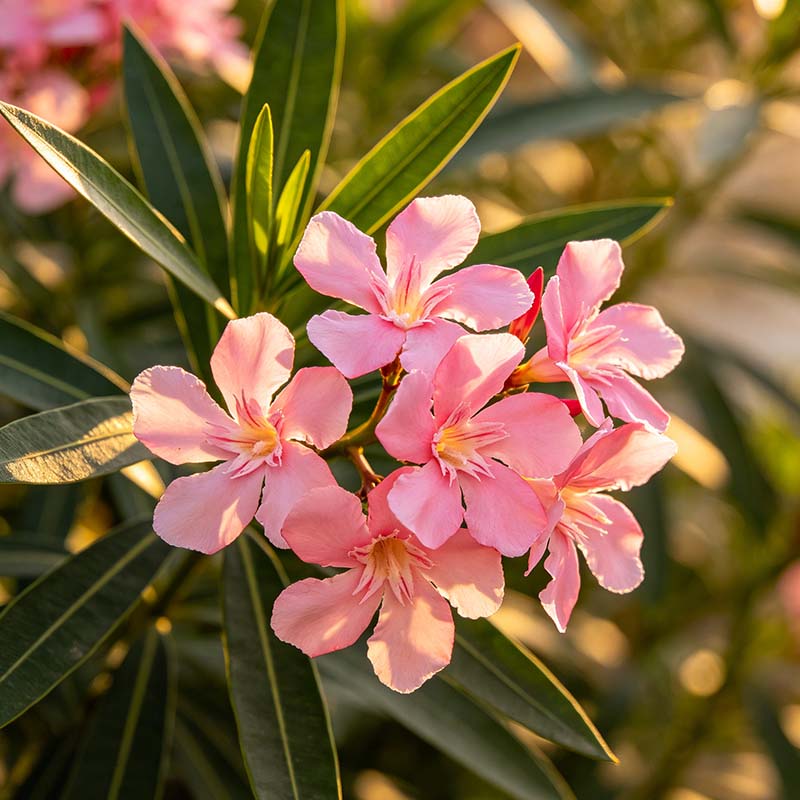
Oleander

Nerium oleander
HIGH RISK
Oleander
Symptoms: Cardiac toxicity, vomiting, death, abnormal heart rhythm
Action Required: EMERGENCY - Vet immediately. Extremely toxic.

Plant Type: Shrub

Azalea

Rhododendron species
MEDIUM RISK
Azalea
Symptoms: Vomiting, diarrhea, weakness, coma, cardiac failure
Action Required: Vet visit recommended. Can be serious.

Plant Type: Shrub

Daffodils

Narcissus species
MEDIUM RISK
Daffodils
Symptoms: Severe vomiting, low blood pressure, tremors, convulsions
Action Required: Vet visit recommended. Bulbs most toxic.

Plant Type: Flower

Tulips

Tulipa species
MEDIUM RISK
Tulips
Symptoms: GI upset, drooling, convulsions, cardiac issues
Action Required: Vet visit recommended. Bulbs most dangerous.

Plant Type: Flower

Autumn Crocus

Colchicum autumnale
MEDIUM RISK
Autumn Crocus
Symptoms: Multi-organ failure, bloody vomiting, liver/kidney damage
Action Required: Vet visit recommended. Delayed symptoms possible.

Plant Type: Flower

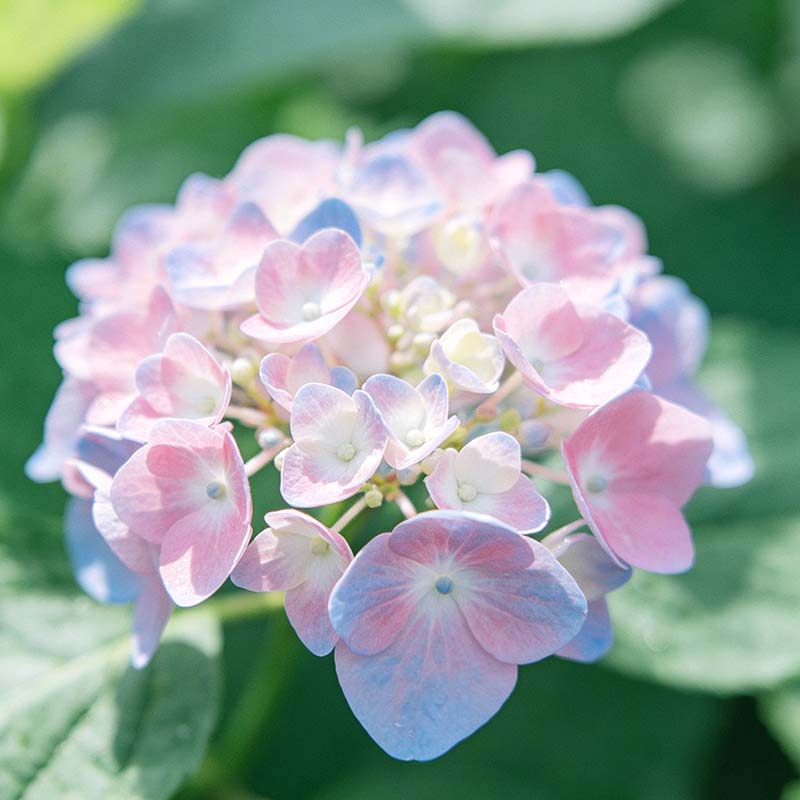
Hydrangea

Hydrangea species
LOW RISK
Hydrangea
Symptoms: Vomiting, diarrhea, lethargy, depression
Action Required: Monitor & consult vet. Usually not fatal.

Plant Type: Shrub

Ivy

Hedera helix
LOW RISK
Ivy
Symptoms: Abdominal pain, drooling, diarrhea, skin irritation
Action Required: Monitor & consult vet. Leaves and berries toxic.

Plant Type: Houseplant

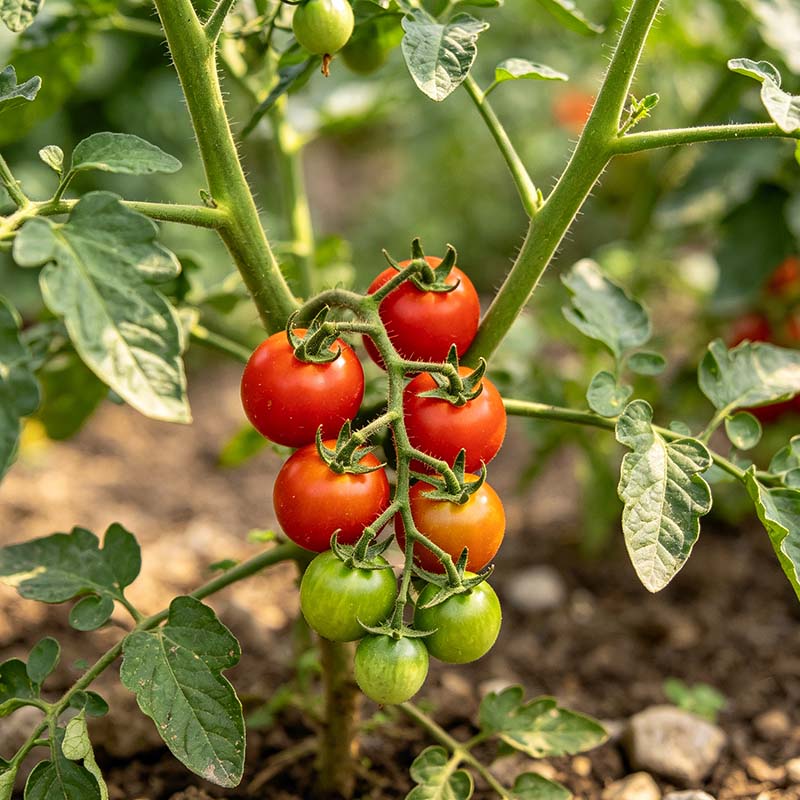
Tomato Plant

Solanum lycopersicum
LOW RISK
Tomato Plant
Symptoms: Drowsiness, GI upset, confusion, weakness
Action Required: Monitor & consult vet. Green parts most toxic.

Plant Type: Houseplant

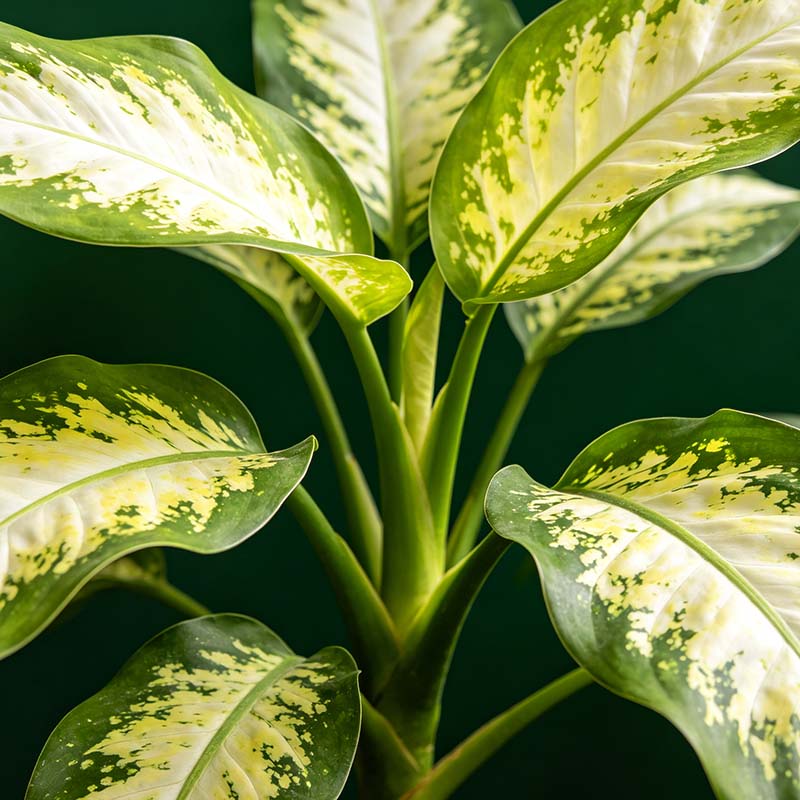
Dieffenbachia

Dieffenbachia species
MEDIUM RISK
Dieffenbachia
Symptoms: Oral irritation, intense burning, difficulty swallowing
Action Required: Vet visit recommended. Can cause airway swelling.

Plant Type: Houseplant

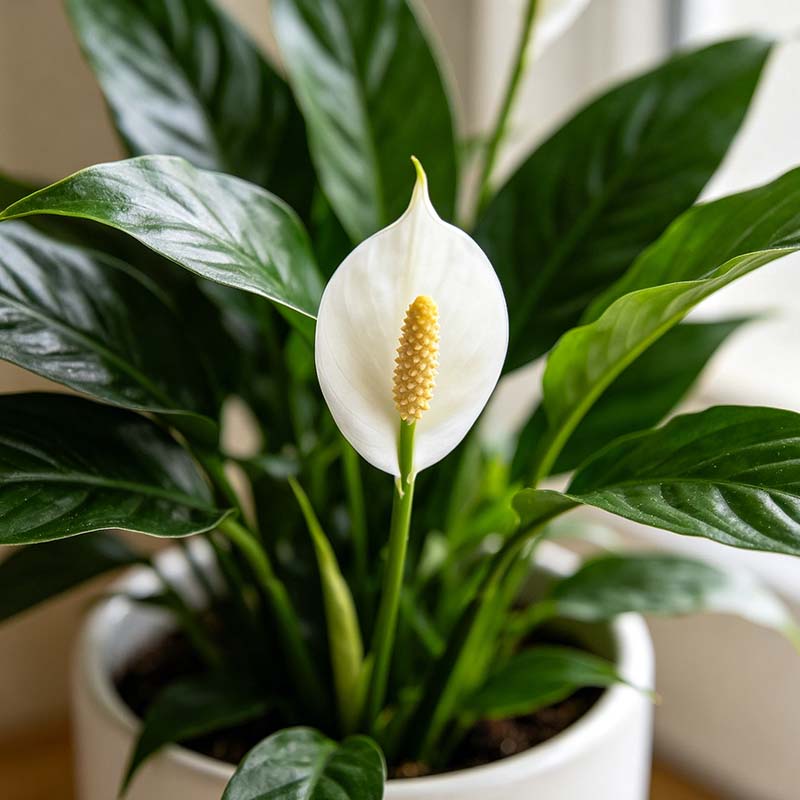
Peace Lily

Spathiphyllum species
MEDIUM RISK
Peace Lily
Symptoms: Oral pain, drooling, vomiting, difficulty swallowing
Action Required: Vet visit recommended. Not as toxic as true lilies.

Plant Type: Houseplant

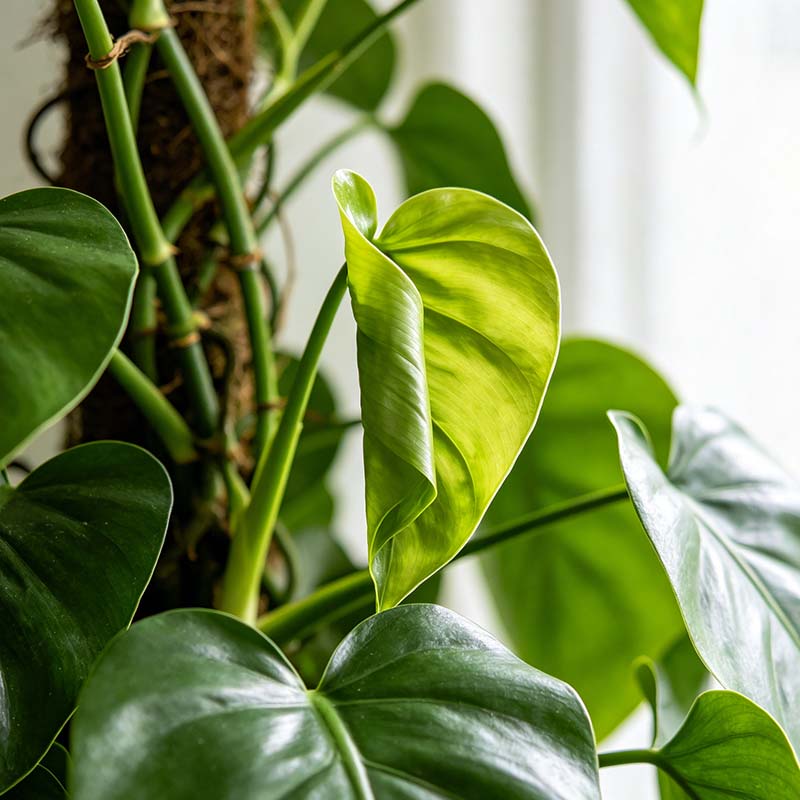
Philodendron

Philodendron species
MEDIUM RISK
Philodendron
Symptoms: Oral irritation, swelling, vomiting, difficulty swallowing
Action Required: Vet visit recommended. Calcium oxalate crystals.

Plant Type: Houseplant

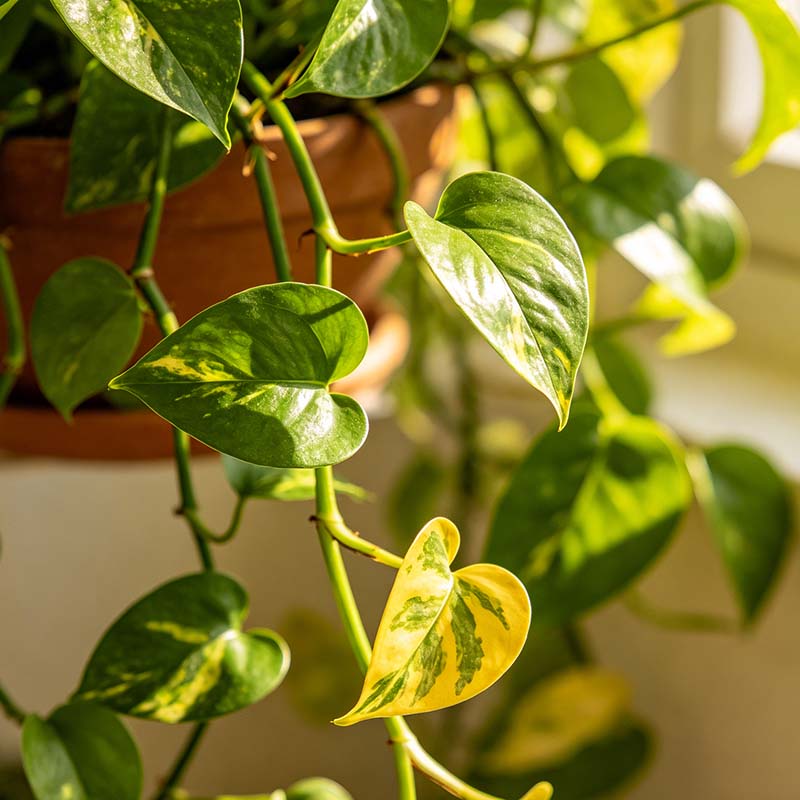
Pothos

Epipremnum aureum
MEDIUM RISK
Pothos
Symptoms: Oral irritation, vomiting, difficulty swallowing
Action Required: Vet visit recommended. Common houseplant.

Plant Type: Houseplant

Yew

Taxus species
HIGH RISK
Yew
Symptoms: Tremors, difficulty breathing, cardiac failure, sudden death
Action Required: EMERGENCY - Extremely toxic. All parts deadly.

Plant Type: Tree

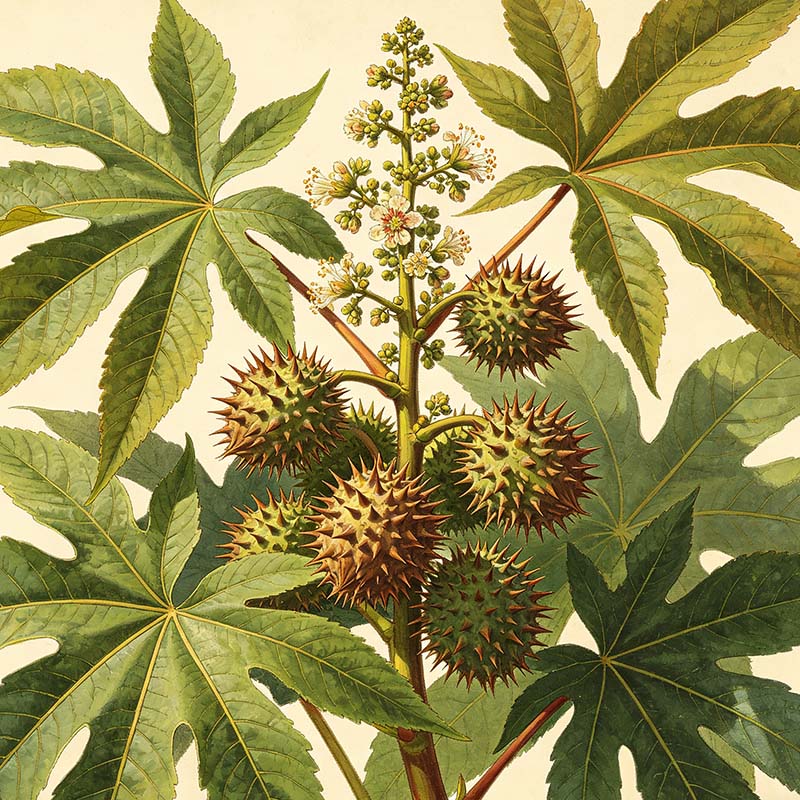
Castor Bean

Ricinus communis
HIGH RISK
Castor Bean
Symptoms: Abdominal pain, vomiting, bloody diarrhea, dehydration, death
Action Required: EMERGENCY - Ricin is extremely toxic.

Plant Type: Shrub

Foxglove

Digitalis purpurea
HIGH RISK
Foxglove
Symptoms: Cardiac arrhythmias, vomiting, diarrhea, death
Action Required: EMERGENCY - Digitalis affects the heart.

Plant Type: Flower

Rhubarb

Rheum rhabarbarum
MEDIUM RISK
Rhubarb
Symptoms: Kidney failure, tremors, drooling, vomiting
Action Required: Vet visit recommended. Leaves only are toxic.

Plant Type: Houseplant

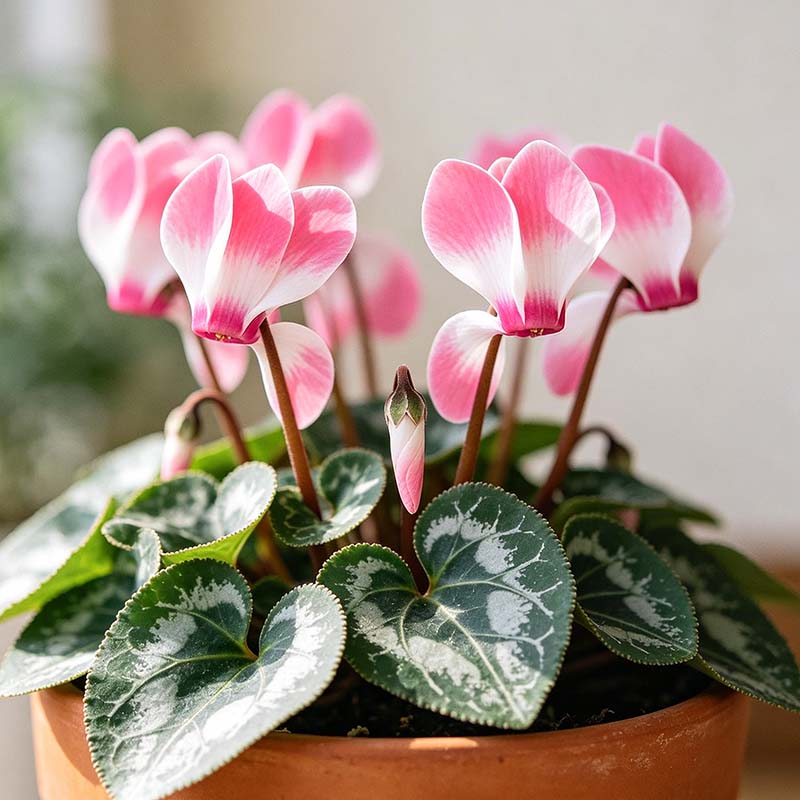
Cyclamen

Cyclamen species
MEDIUM RISK
Cyclamen
Symptoms: Vomiting, diarrhea, heart rhythm abnormalities, seizures
Action Required: Vet visit recommended. Roots most dangerous.

Plant Type: Flower

Chrysanthemum

Chrysanthemum species
LOW RISK
Chrysanthemum
Symptoms: Vomiting, diarrhea, drooling, lack of coordination
Action Required: Monitor & consult vet. Skin irritation possible.

Plant Type: Flower

Not sure what your dog ate?

If you can't identify the plant or your dog is showing symptoms, don't wait. Contact your veterinarian or ASPCA Poison Control immediately.

Use Diagnostic Tool →

Frequently Asked Questions

How quickly do symptoms appear after a dog eats a toxic plant?

Symptoms can appear within 30 minutes to several hours, depending on the plant and amount consumed. Some plants (like lilies and sago palm) can cause organ damage before any visible symptoms appear. Always seek immediate veterinary care if you know your dog ate a toxic plant.

Should I induce vomiting if my dog ate a toxic plant?

Only if instructed by a veterinarian. Some plants cause more damage when vomited back up (like those that blister the throat). Other toxins are absorbed quickly, making vomiting ineffective. Always call a professional first.

Are there any plants that are safe for dogs to eat?

Yes! Wheatgrass, cat grass, spider plants, Boston ferns, and prayer plants are all non-toxic to dogs. However, even safe plants can cause mild GI upset if consumed in large quantities.